
Eyelash extensions
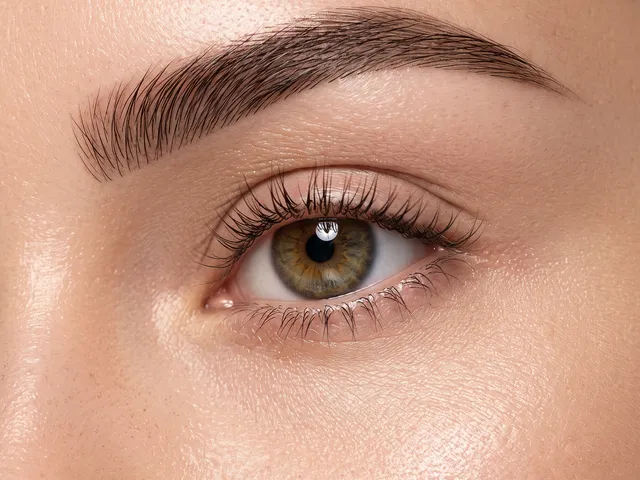
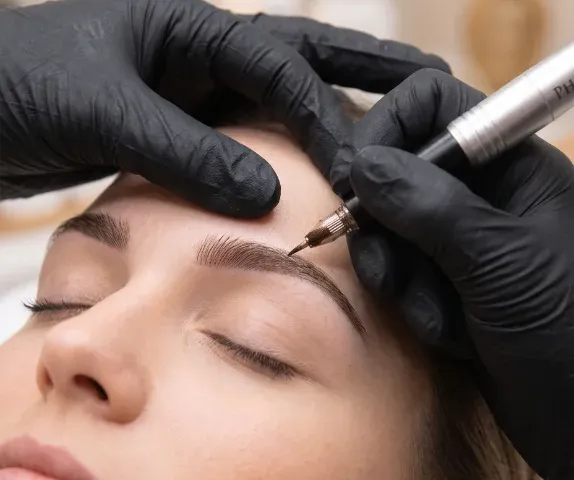
A set designed for your eye: measured density, never heavy.
Natural result Custom set
Study the pigment first. Then decide whether it can go.
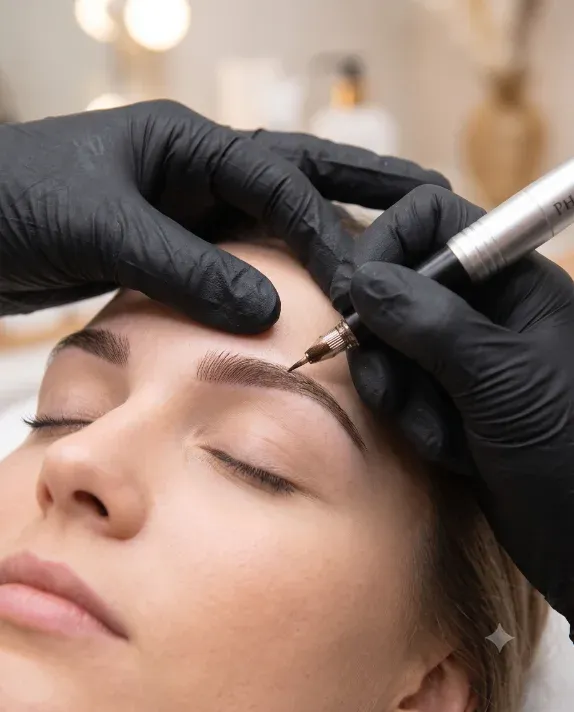
Permanent makeup that healed too dark, too blue, or into a shape that is no longer yours can be lifted — but not in one go, and not with a price quoted over the phone. The work is done with glycolic acid: implanted over the pigmented area, it triggers a controlled inflammation that pushes pigment toward the surface. A scab forms, and when it lifts it takes colour with it. This runs in sessions, weeks apart, and it starts with a free assessment of what you have and what can realistically be expected.
Depth, saturation, true colour under proper light, age and the technique used. That is what the likely session count and the quote come from.
Before treating a whole brow we work one small patch and wait to see how your skin responds. Not every skin reacts the same way.
The solution is implanted over the pigment only, with depth and contact time controlled, working section by section.
Over the following days a scab builds over the area. That scab is the part of the process that carries pigment out, and it is left alone.
The skin gets a full 6–8 weeks to heal before the result is judged and another pass is considered.
Removal is harder on the skin than the micropigmentation itself, and it is not for everyone. Saying so beforehand is part of the service. It is not performed in these cases:
Not sure about your case? The consultation is free and we review it together.
Each session lightens; it does not erase. Two to six sessions is typical, and some pigment never leaves completely — particularly heavily saturated or deeply implanted work. What is realistic for your case is settled at the assessment, not here.
The area is red, swollen and tender. That is the expected reaction, not a complication.
A thicker scab than a micropigmentation leaves. Keep it dry and leave it alone.
The scab comes away by itself, carrying pigment with it. Picking it is what causes scarring.
The area stays lighter and pink while it regenerates. The final colour is not visible yet.
Only now can we see how much pigment left and decide whether another session is needed.
The real outcome of a session is not visible until weeks 6–8, once the skin has finished recovering. Nothing is judged or repeated before then.
A free pigment assessment with a written quote, a test area, a full glycolic acid session and a detailed aftercare plan. Each session is quoted from what the assessment finds.
Because an honest price depends on what you have. Lightening a one-year-old microblading is not the same job as a saturated five-year-old one, and one brow is not the same as two. A figure here would be invented. The assessment is free and produces a written quote.
Typically between 2 and 6, spaced 6 to 8 weeks apart, depending on depth, saturation and pigment type. After the first session we can see how your skin responds and the estimate gets adjusted.
Not always, and I would rather say so first. Heavily saturated or deeply implanted pigment can leave a residual shadow. In many cases lightening enough to redesign over it is the actual goal, and that is very achievable.
That is the main risk, which is why there is an assessment and a test patch. The process forms a thicker scab than a micropigmentation does, and picking it is the most common cause of scarring. If you are prone to keloids the treatment is not performed.
The session itself feels similar, with topical anesthetic. The difference comes after: swelling runs higher for the first few days and the scab is more uncomfortable than a micropigmentation's.
Never sooner than 8 weeks after the last removal session, and only once the skin has fully recovered. Pigmenting over skin that is still regenerating gives a patchy result.
The prior consultation is free. Pick a day and time on the calendar.
A set designed for your eye: measured density, never heavy.
Hair-by-hair strokes that follow your real growth direction.